Case studies
Tapestry and Australia’s Commonwealth Scientific and Industrial Research Organisation (CSIRO)
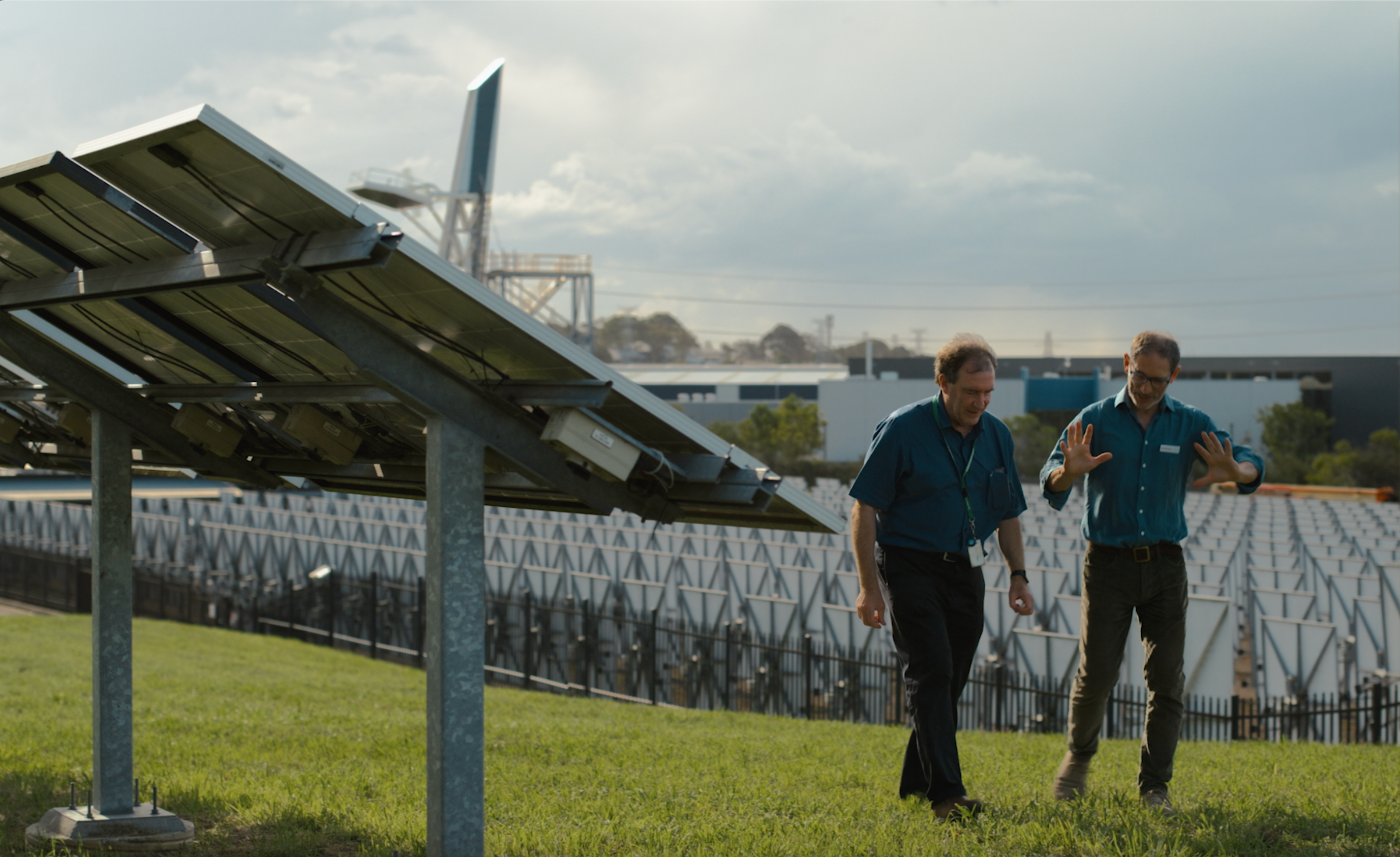
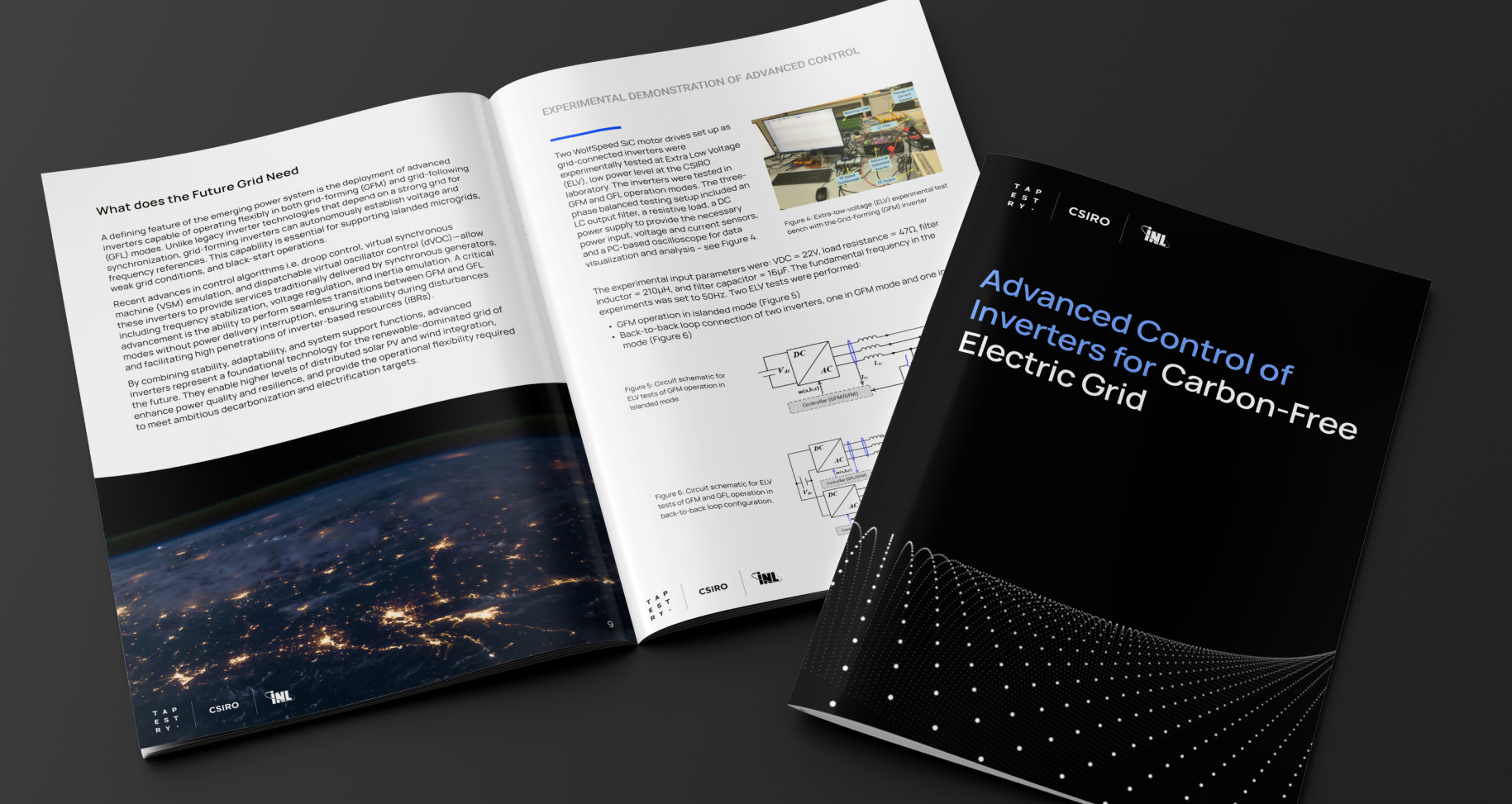
As the global transition to clean energy accelerates, the hardware connecting renewables to our homes is becoming just as critical as the energy sources themselves. In a landmark collaboration between Tapestry (Alphabet's moonshot for the electric grid), CSIRO, and Idaho National Lab, researchers have successfully developed and lab-tested a prototype 250-350 kW "grid-forming" inverter. By repurposing high-volume Silicon Carbide (SiC) motor drives from the electric vehicle industry, the team has created a device that is roughly 10 times faster than traditional silicon solutions and significantly more cost-effective.
This white paper details the technical journey from laboratory success toward upcoming field trials, highlighting key breakthroughs in:
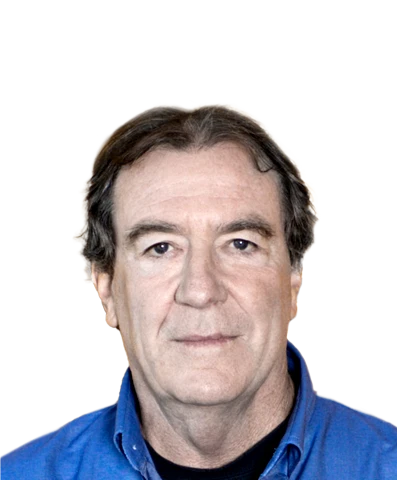
Chief Scientist
Leo loves power electronics, power systems, and rugby. His team is the New Zealand All Blacks, which some of his relatives have played for.